
When creating a stunning image, one of the most powerful tools at your disposal is the mastery of depth of field (DOF) and aperture. Both play a significant role in how your photos are perceived, allowing you to tell unique visual stories. Whether you’re a seasoned photographer or just starting your journey, understanding how these elements interact can elevate your photography from average to eye-catching.
What is Aperture?
Aperture refers to the opening in a camera lens that lets light in. It’s measured in f-stops, such as f/1.4, f/2.8, f/5.6, and so on. The lower the f-stop number, the wider the opening, meaning more light enters the lens. Conversely, a higher f-stop number means a narrower opening and less light. Aperture affects both the exposure (brightness) of your image and the depth of field, which we’ll explore next.
Pro Tip: A wider aperture (low f-stop) is great for letting in more light during low-light situations, such as indoor portraits or evening shoots.
What is Depth of Field?
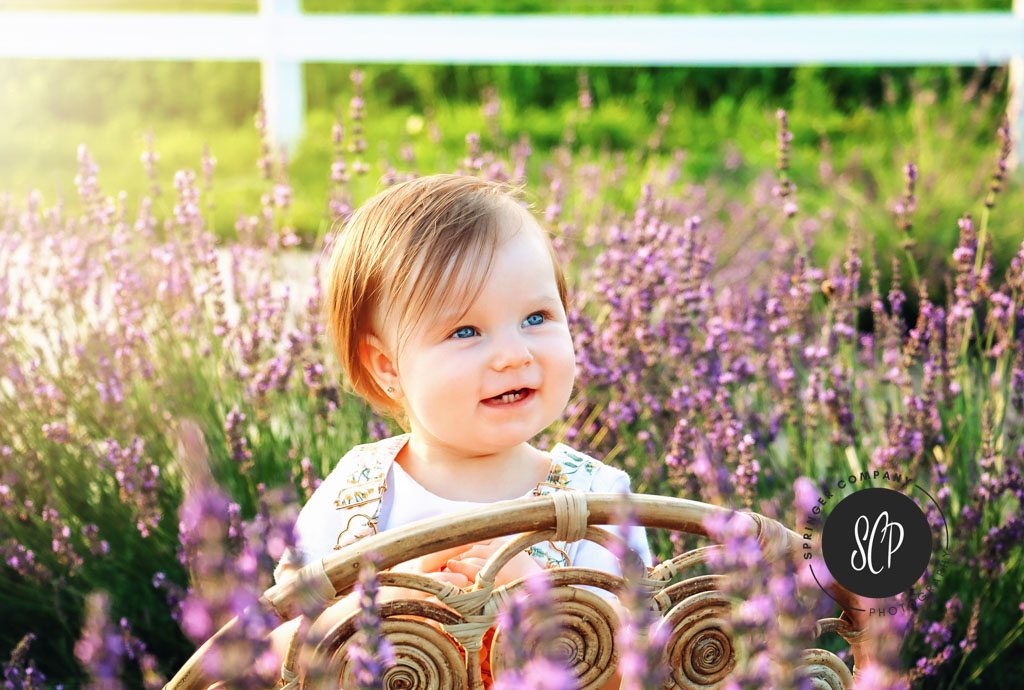
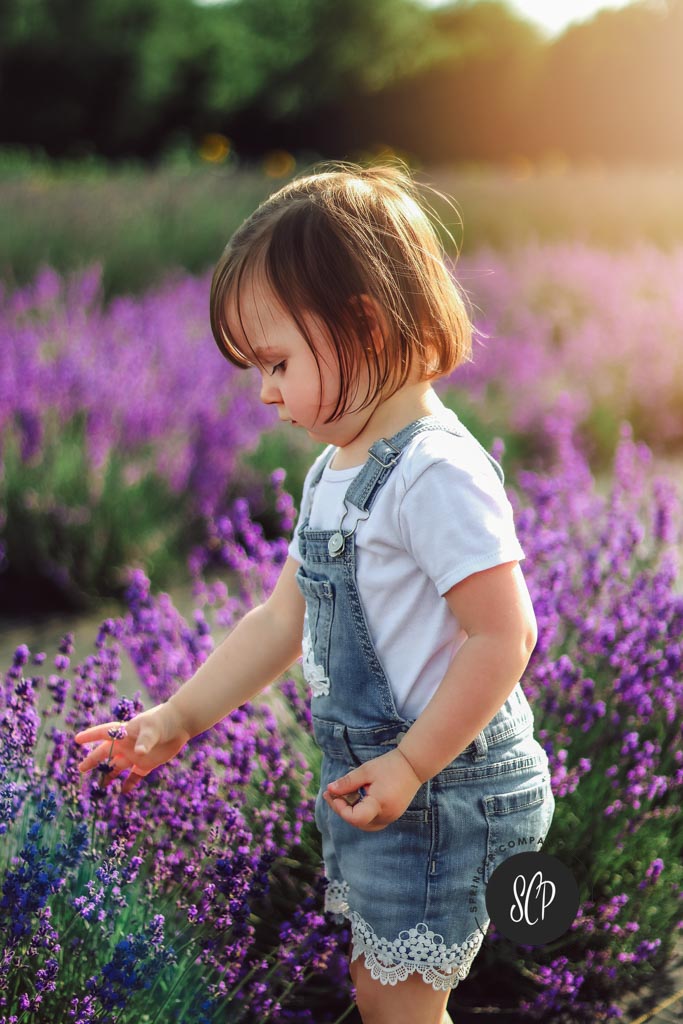
Depth of field is the amount of the image that appears sharp or in focus. A shallow depth of field means only a small portion of the image is in focus, while the background and foreground blur out. This is excellent for isolating subjects in portrait photography or emphasizing a specific detail. In contrast, a deep depth of field keeps most of the scene in focus, making it ideal for landscapes or group shots where clarity across the frame is important.
Example Scenarios:
- Shallow Depth of Field (e.g., f/1.8): Ideal for portraits where you want to blur out the background, emphasizing your subject and creating that beautiful “bokeh” effect.
- Deep Depth of Field (e.g., f/16): Perfect for landscapes where you want to keep the entire scene crisp and detailed.
How Aperture Affects Depth of Field
Adjusting your aperture directly impacts the depth of field. A wide aperture (low f-number like f/2.8) creates a shallow DOF, isolating your subject with blurred backgrounds. On the other hand, using a narrow aperture (high f-number like f/16) results in a deep DOF, keeping more elements in focus.
Visual Example: Imagine you’re capturing a portrait of a person standing in a field. With an aperture of f/2.8, the person will be in sharp focus while the background beautifully blurs. If you shift to f/16, both the subject and the background, including distant trees, will remain clear.
Tips for Mastering Depth of Field and Aperture:
- Know Your Subject: Decide if you want the background in focus or blurred out, based on your storytelling goals.
- Use Aperture Priority Mode: This mode allows you to adjust the aperture while the camera balances other settings, providing quick adjustments to DOF.
- Experiment with Distance: The closer you are to your subject, the shallower the DOF will be, even at higher f-stops.
- Lens Choice Matters: Prime lenses with wider maximum apertures (e.g., 50mm f/1.8) offer more control over DOF compared to some zoom lenses.
When to Use a Shallow vs. Deep Depth of Field
- Portraits & Isolated Subjects: Shallow DOF (f/1.8 – f/4) to create focus on your subject and blur distractions.
- Landscapes & Architecture: Deep DOF (f/8 – f/16) to maintain clarity across all elements in the scene.
- Macro Photography: Often combines shallow DOF with precise focusing to highlight intricate details.
Conclusion
Understanding the relationship between aperture and depth of field empowers you to create captivating images with depth and character. Whether you aim to isolate a subject with a creamy background or capture every detail in a stunning scene, knowing how to control these aspects will transform your photography.
Happy shooting, and may every frame tell your story with impact and beauty!

Leave a comment