
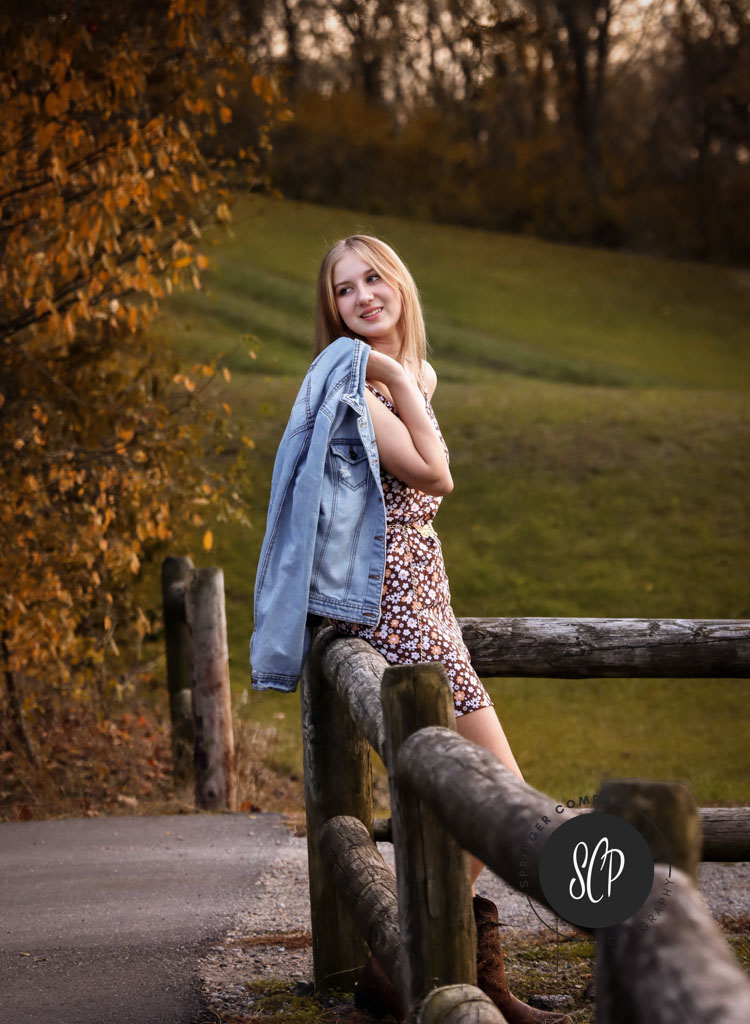
Natural light is one of the most powerful tools in a photographer’s arsenal. Mastering its use can elevate your images and create stunning, dynamic compositions. Whether you’re shooting portraits, landscapes, or lifestyle images, understanding how to work with natural light is essential. Here’s a guide to help you make the most of outdoor lighting conditions.
1. Understanding the Different Types of Natural Light
Natural light changes throughout the day, and recognizing its nuances can help you plan your shoots effectively.
- Golden Hour: The hour after sunrise and the hour before sunset offer soft, warm light that creates flattering tones and gentle shadows.
- Midday Sun: Harsh and direct, the midday sun can create strong contrasts and deep shadows. Using diffusers or seeking shade can help soften the light.
- Overcast Days: Cloudy skies act as a natural diffuser, providing even lighting that reduces harsh shadows and is great for portraits.
- Blue Hour: Just before sunrise and after sunset, the sky takes on cool, blue tones that add a dreamy and moody quality to images.
2. Positioning Your Subject
Where you place your subject in relation to the light source makes a huge impact on the final image.
- Front Lighting: The subject faces the light, reducing shadows and creating even illumination. Great for beginners and capturing vibrant colors.
- Backlighting: Placing the subject in front of the light source creates a glowing effect, perfect for dreamy, ethereal portraits.
- Side Lighting: This technique highlights texture and depth, making it ideal for dramatic or artistic images.
3. Using Natural Reflectors and Diffusers
- Surrounding Environment: Walls, sidewalks, and water bodies can reflect light and add brightness to your subject.
- Portable Reflectors: A simple whiteboard or reflector can bounce light back onto your subject to fill in shadows.
- Trees and Buildings: These can provide natural shade and diffused light, reducing harsh contrasts.
4. Adjusting Camera Settings for Natural Light
- ISO: Keep it as low as possible to avoid noise, but increase it slightly in low-light conditions.
- Aperture: A wide aperture (f/1.8 – f/2.8) is great for soft backgrounds in portraits, while a narrow aperture (f/8 – f/16) helps capture sharp landscapes.
- Shutter Speed: Adjust according to movement; a fast shutter speed freezes action, while a slower one captures motion blur creatively.
5. Enhancing Natural Light with Post-Processing
Editing can help fine-tune natural light in your images.
- Exposure & Contrast: Adjust brightness and contrast to enhance details.
- White Balance: Correct warm or cool tones for a more natural look.
- Dodge & Burn: Lighten or darken specific areas to emphasize highlights and shadows.
Mastering natural light takes practice and observation. By understanding its qualities, positioning your subject strategically, and using available tools, you can create stunning outdoor photography with ease. So grab your camera, head outside, and experiment with the beauty of natural light!
Happy shooting!
Looking for photography-themed apparel and products? Check out my Etsy store for shirts, totes, mugs, and candles!

Leave a comment